Our Garden
It's yours to explore
We create a space allowing you to explore and immerse yourself in nature, through building memories and connections
Mobile App
Nature + Leisure
Solo Project
10 Weeks
Who are they?
The Woodland Trust is the UK's largest woodland conservation charity, dedicated to protecting and restoring woods and trees. They work to secure a future for the UK's native woodlands.
Who's the target?
For this project, I classified younger generations as Gen Z (1995 -2012) and Gen Alpha (2012 - Current) They are the generation who will make the biggest impact in the future.
Brief
How can the Woodland Trust engage younger generations in preserving natural habitats in the UK?

Problem Overview
With rising pressure of global warming there is more need to look after our natural habitats than ever. However there are many barriers to action. Whether that be geographical, economical or education. The worlds most conscientious generation are finding it hard to really get in touch with nature.
88%
of young people (18-24) in the UK reported feeling lonely to some degree
<50%
of the British population do not have access to a park within walking distance
53%
decline in UK woodland wildlife species since 1970
Research
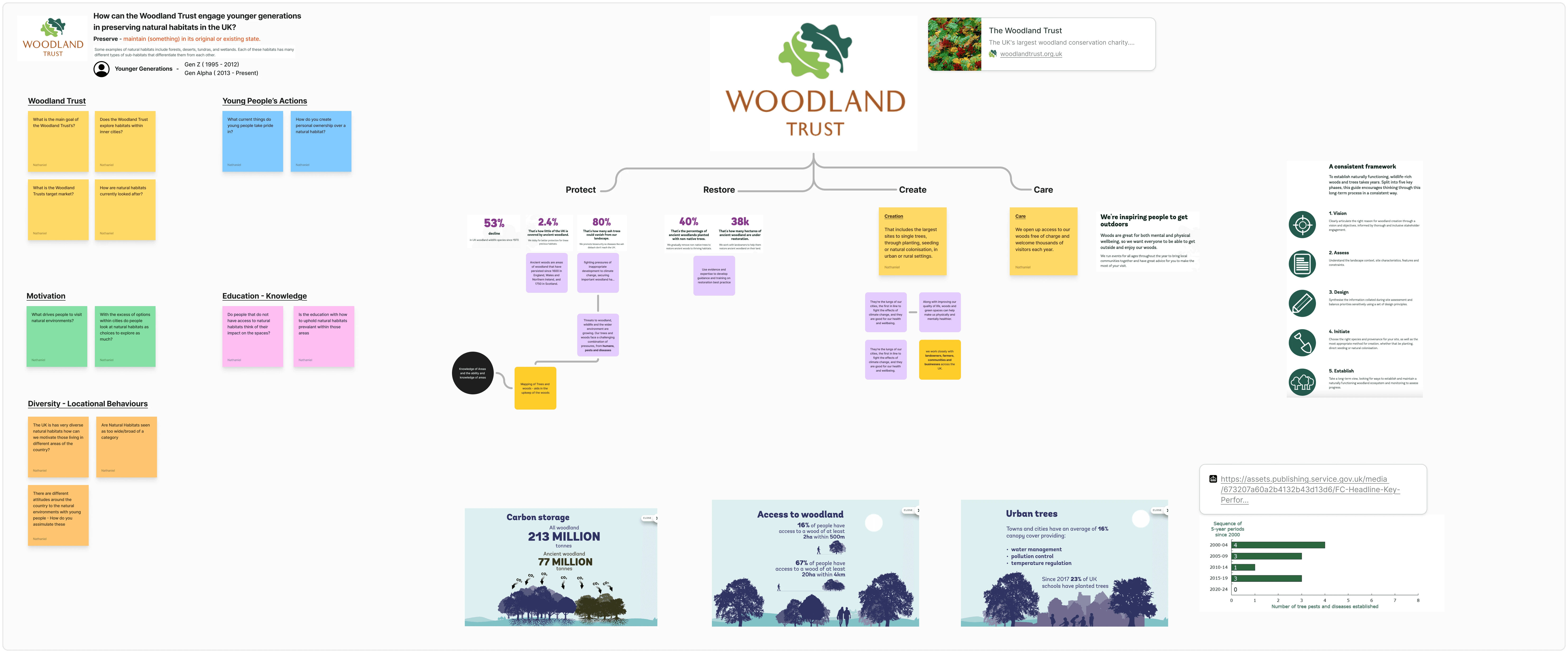
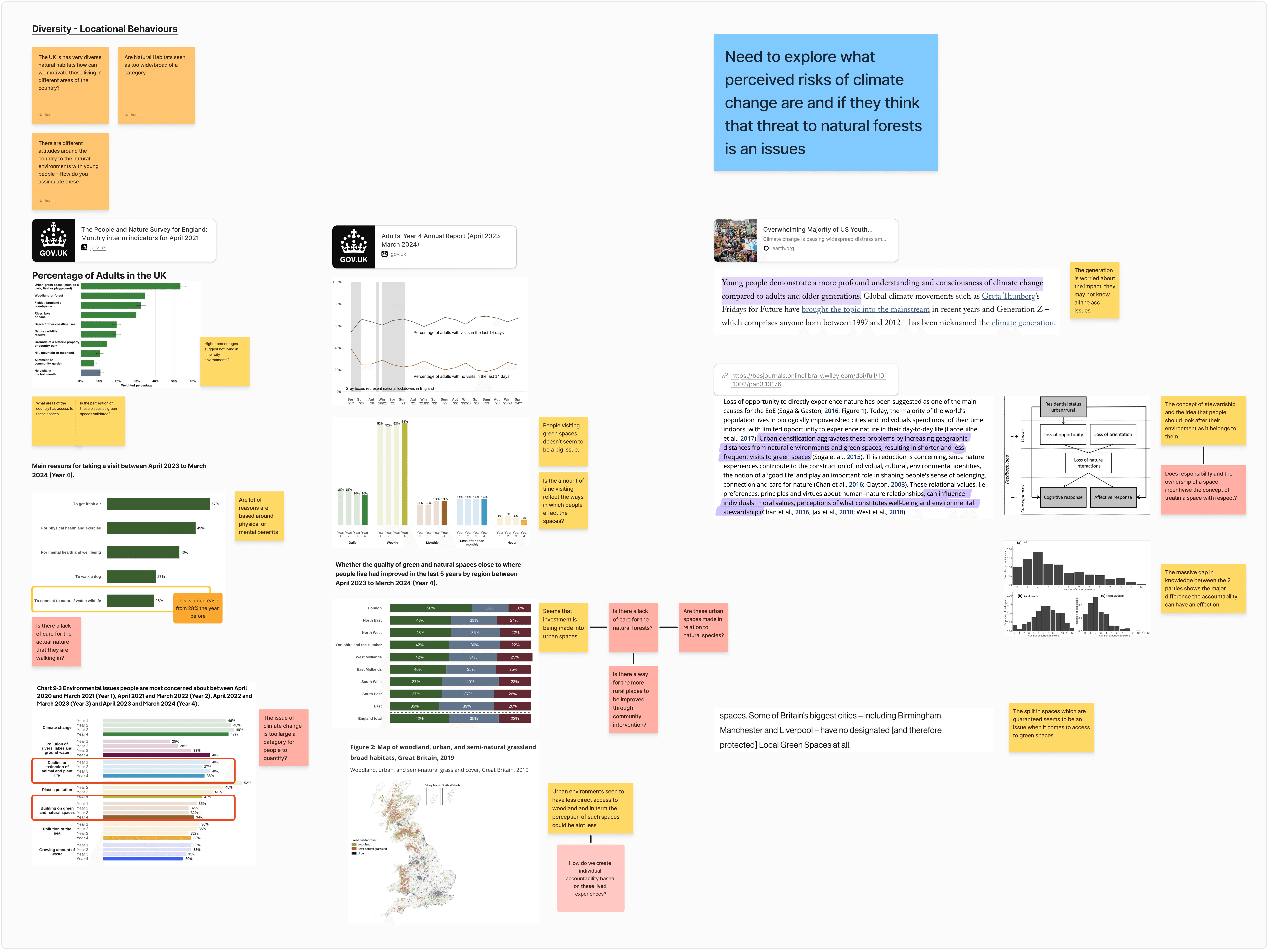
Focusing on understanding the intricacies of the problem. I started the process with Secondary Research which provided a foundation focused around: motivations, locational behavioural factors, education and current solutions. This in turn highlighted 3 key insights which formed the basis for primary research: Access, Education and Disconnection
Access
Access to green spaces, especially woodlands is limited to location and socio-economic factors which reduces the incentive to look after these spaces.
Education
Education focused around British spaces are often taught at the beginning of their life. This disconnect in education further into adult life causes a disinterest in the nature.
Disconnect
A disconnect between green spaces and the ecosystems which reside in them. Leading to a lack of responsibility over the spaces being affected.
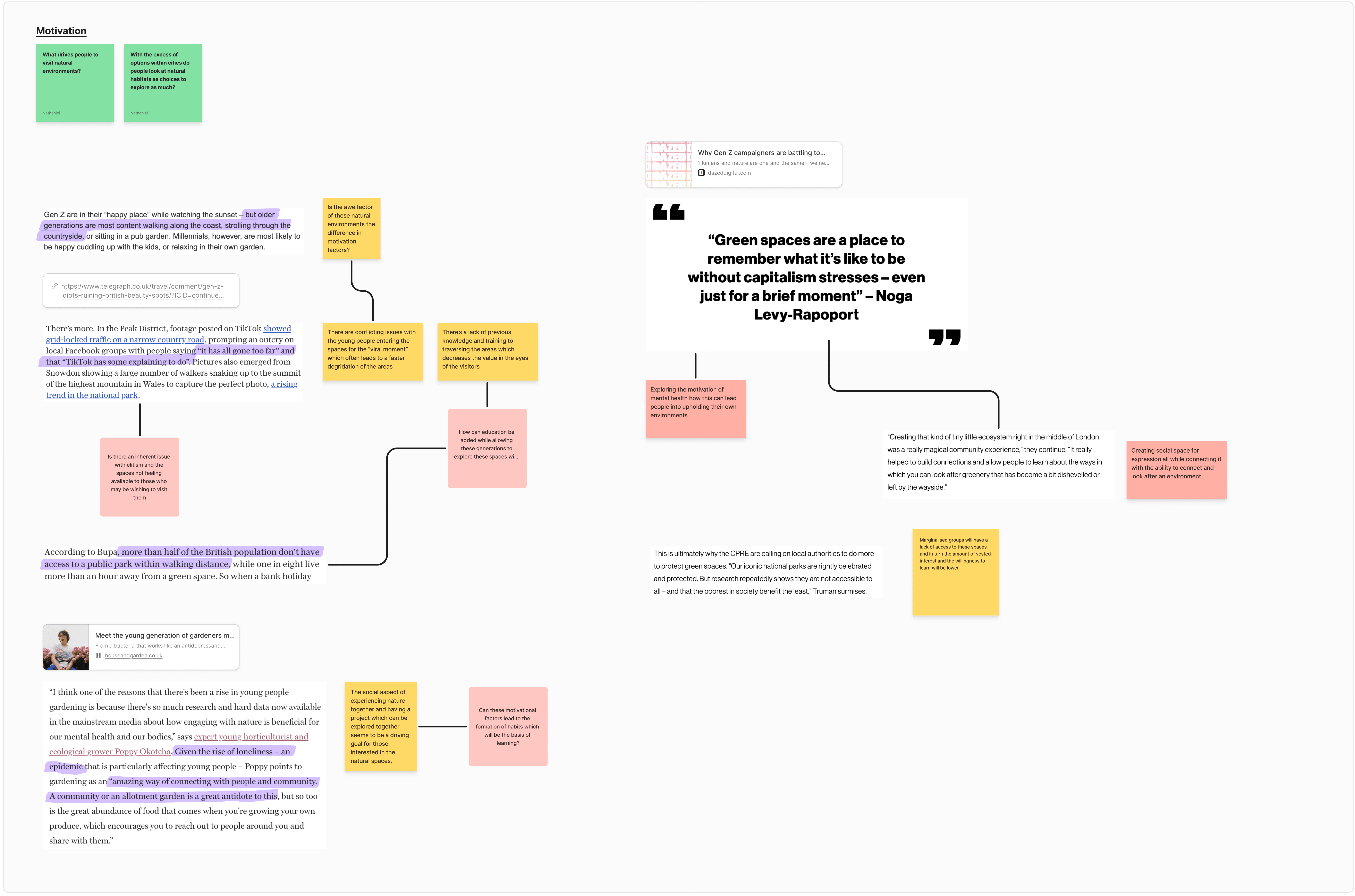
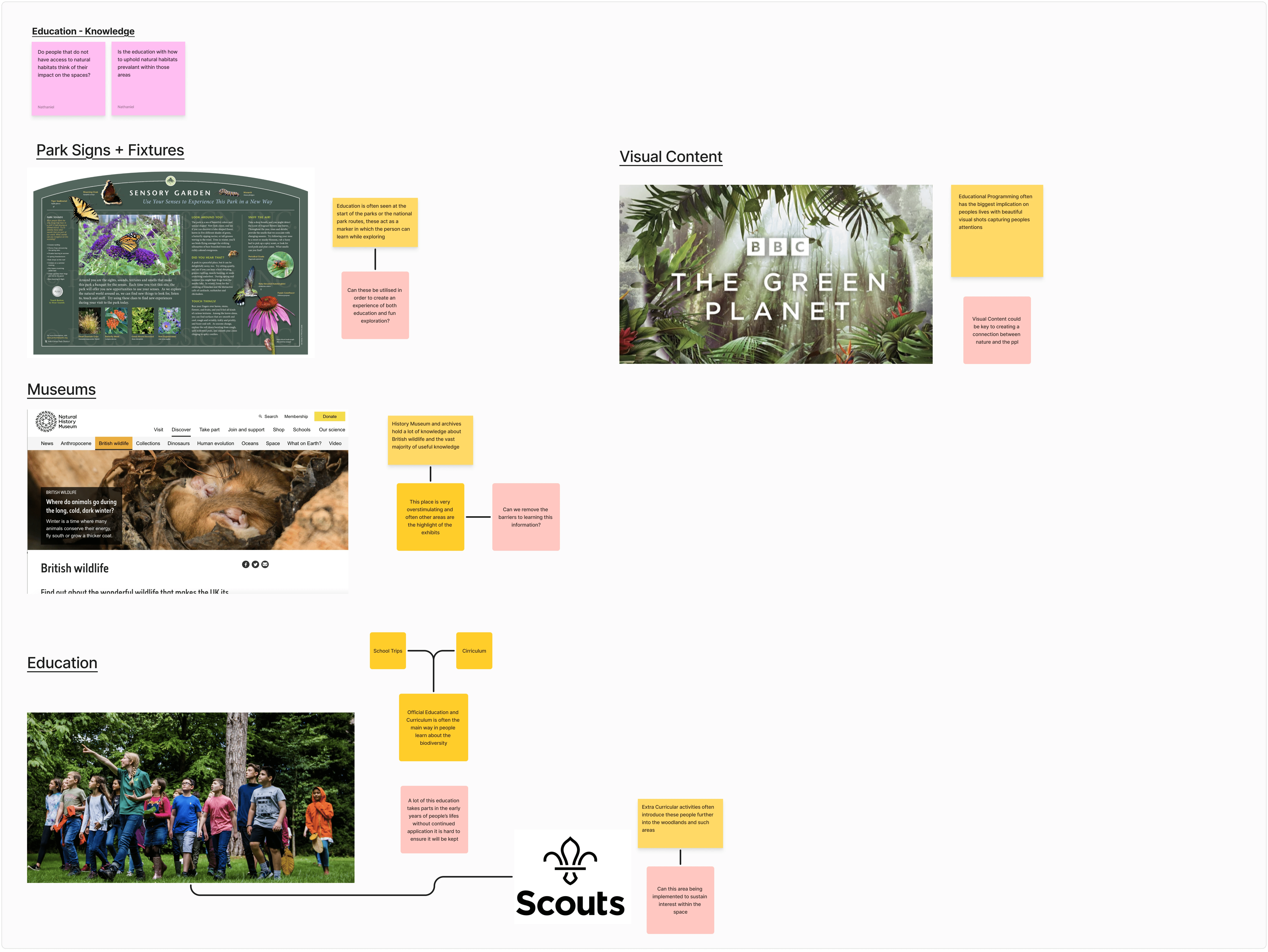
Secondary Research
User Insights
Exploring the problem through interviews and focus sessions; I synthesised the results in order to create a range of 'How Might We' statements. These provided evidence based problem areas to tackle and formed a foundation in which my design was to be built on.
Time Management
How might we aid people to create time to explore and experience their local habitats
“I probably go on a walk in nature once a week maximum. I'd like it to be more, but my, schedule doesn't really fit into that.”
Immersion
How might we educate those in natural habitats without decreasing from the experience
“If I go on a walk, I try not to get my phone out, because then I feel like I'm not enjoying it, and I have done that. I've gone on walks and I may have just been on my phone”
Personal Accountability
How might we provide clear and visual feedback on the users actions
“It's like your health, If you've got a health problem, you've only got 1 problem in your life.”
3rd Spaces
How might we merge existing hobbies to include a focus on nature/ natural habitats
“Flower pressing or something like that, you know, that kind of way. So like a group ... I think it could even bring people in that aren't necessarily interested in nature”
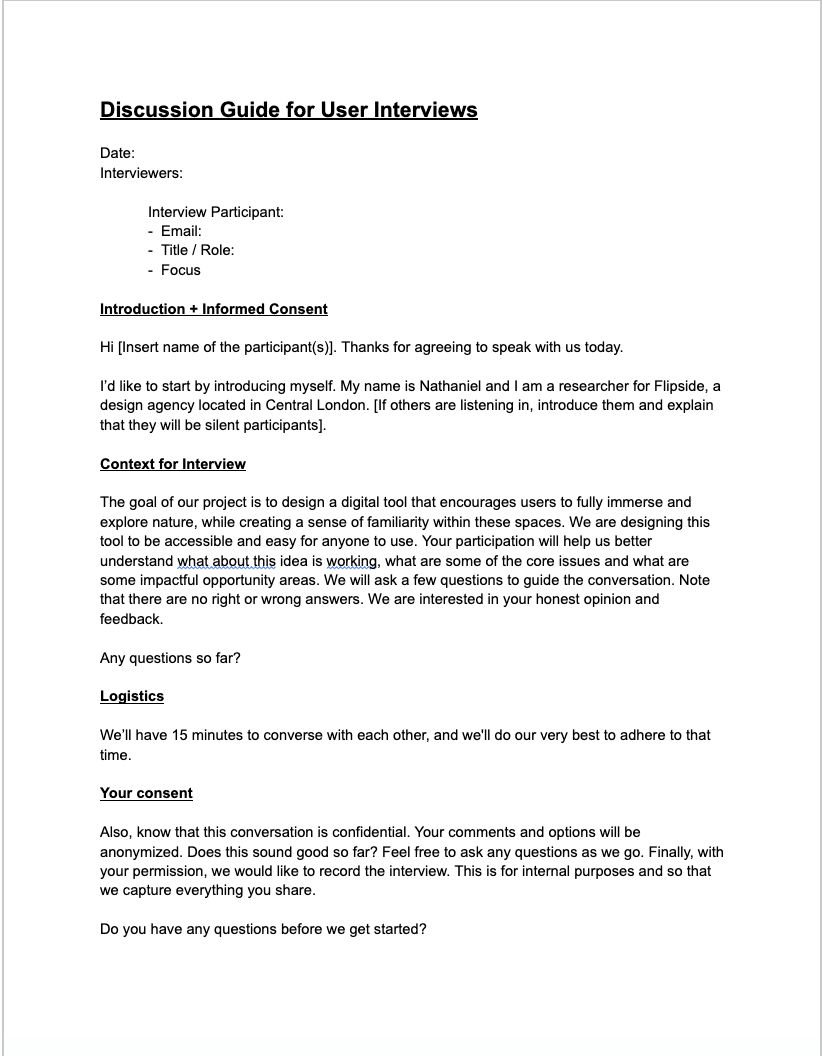
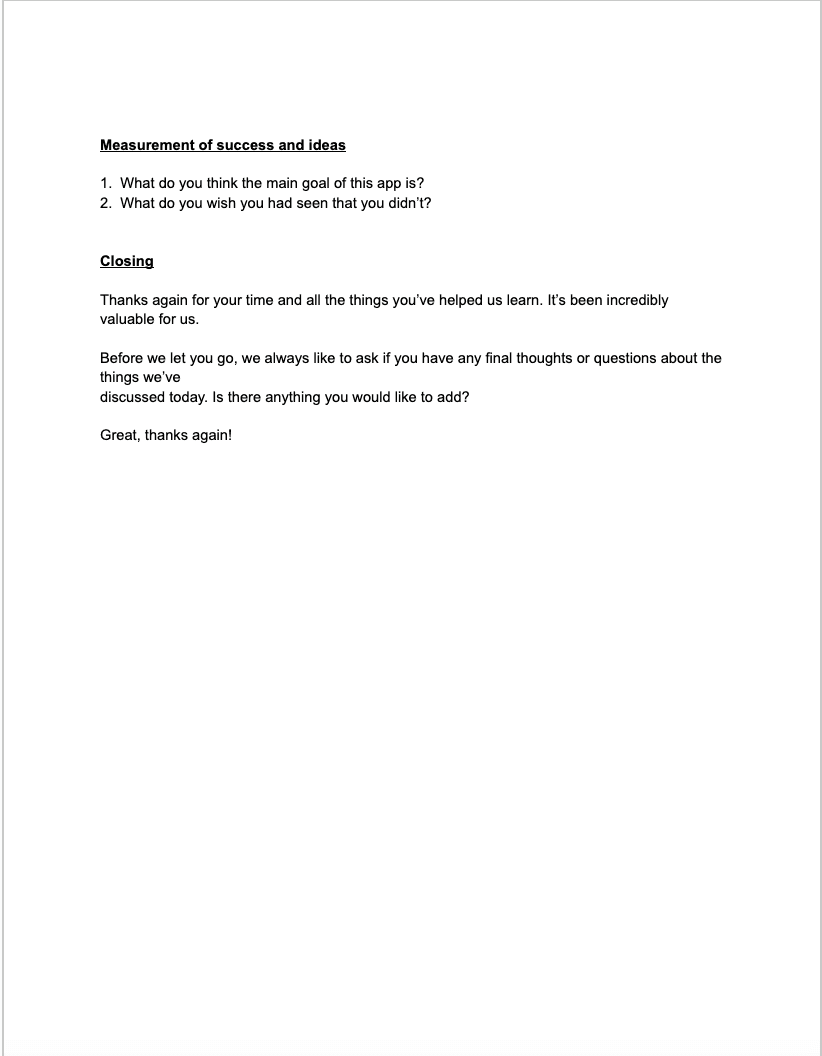
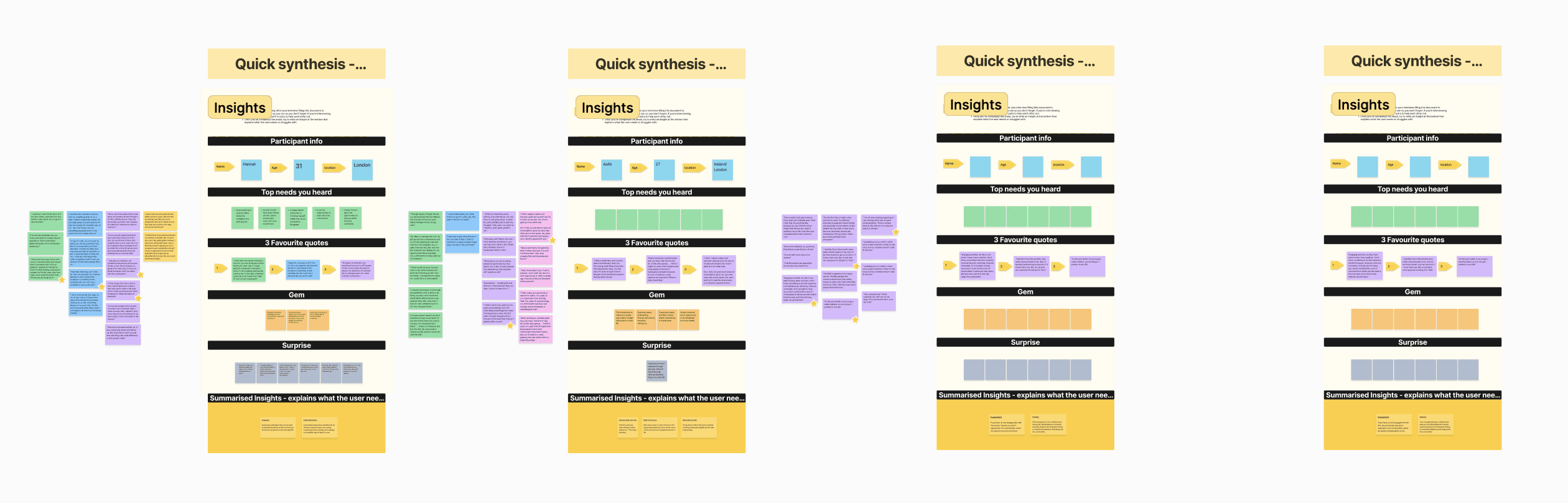
User Interviews Discussion Guide
Concept Mapping
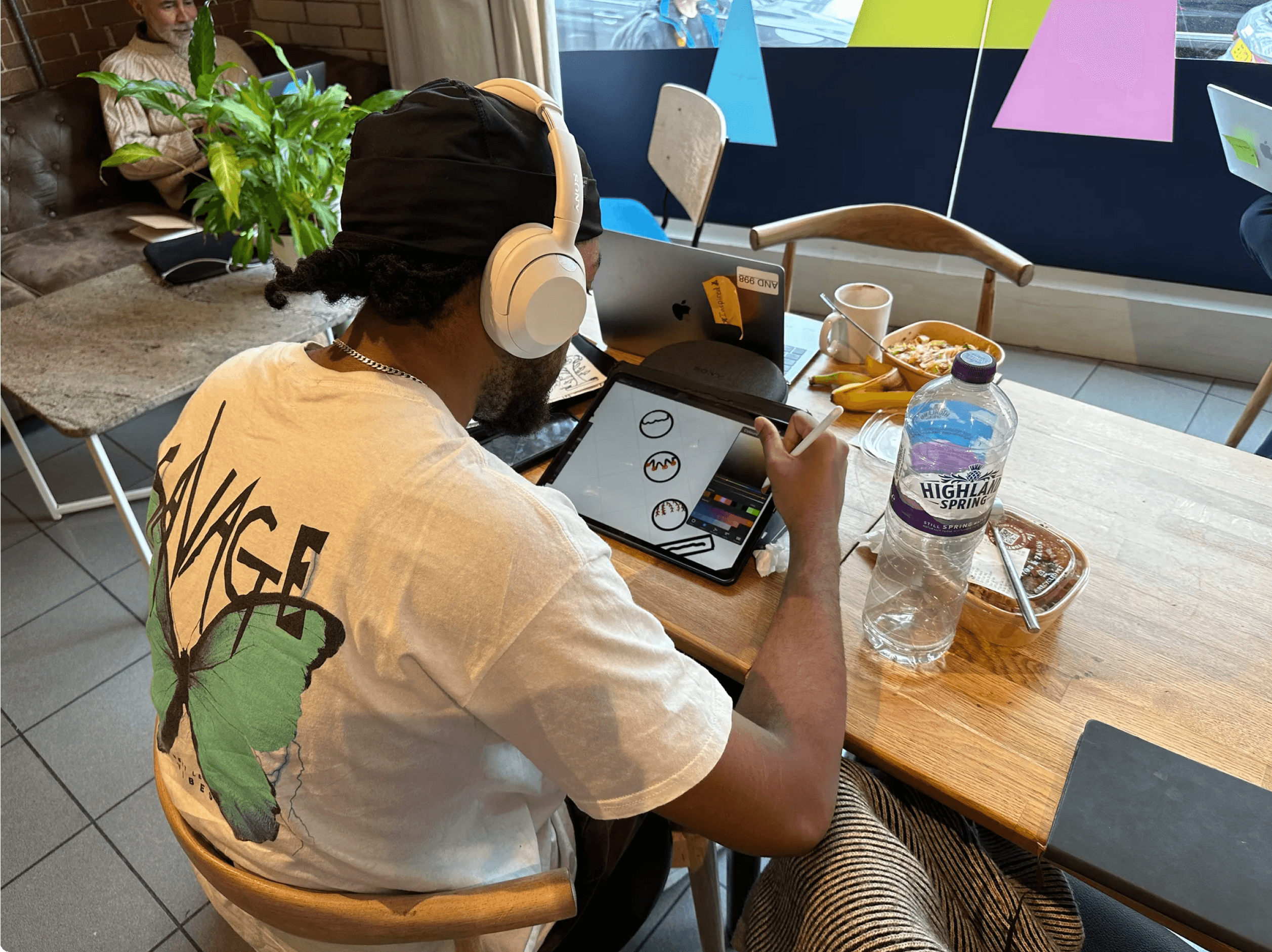
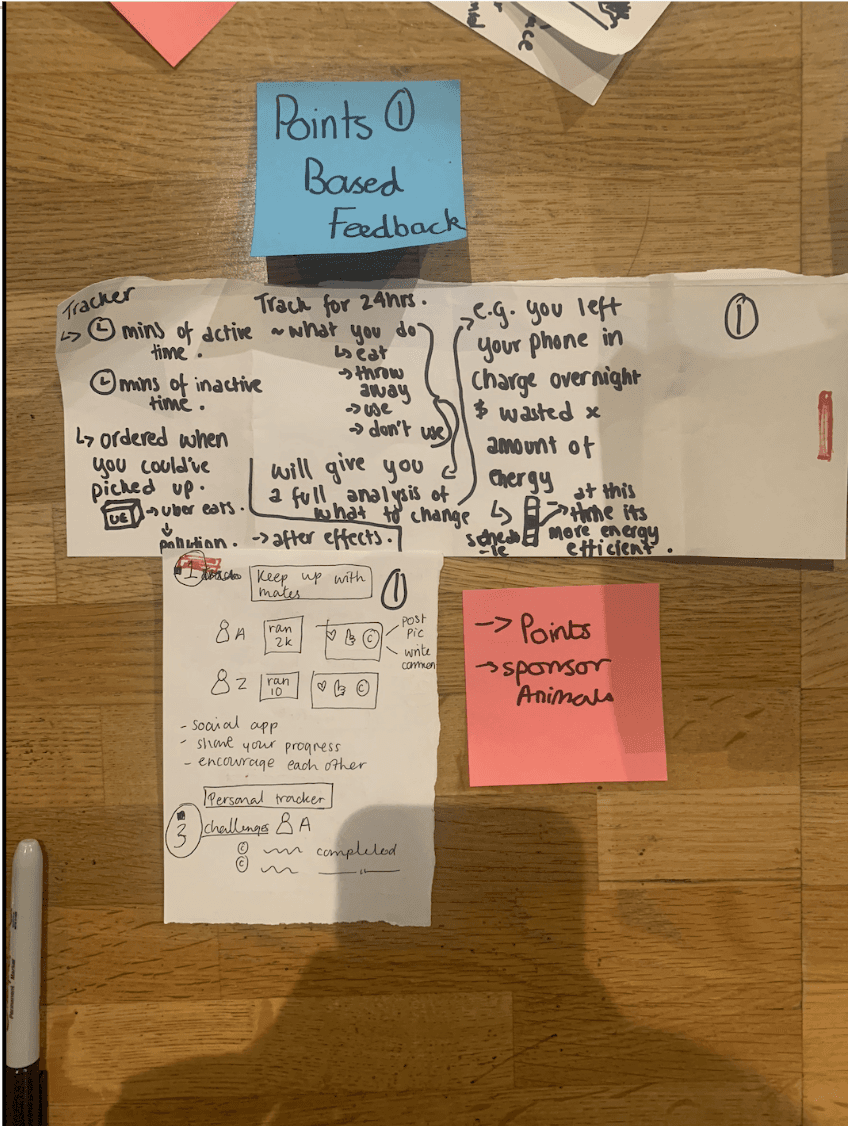
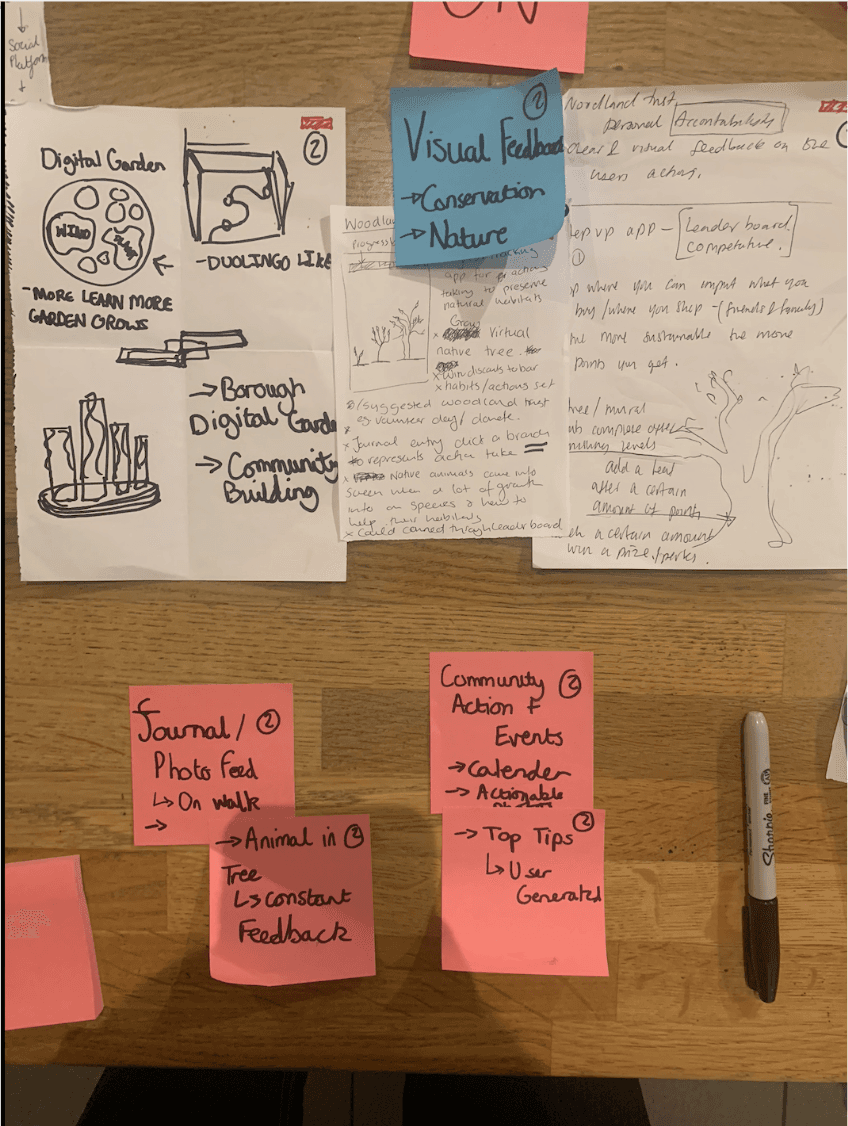
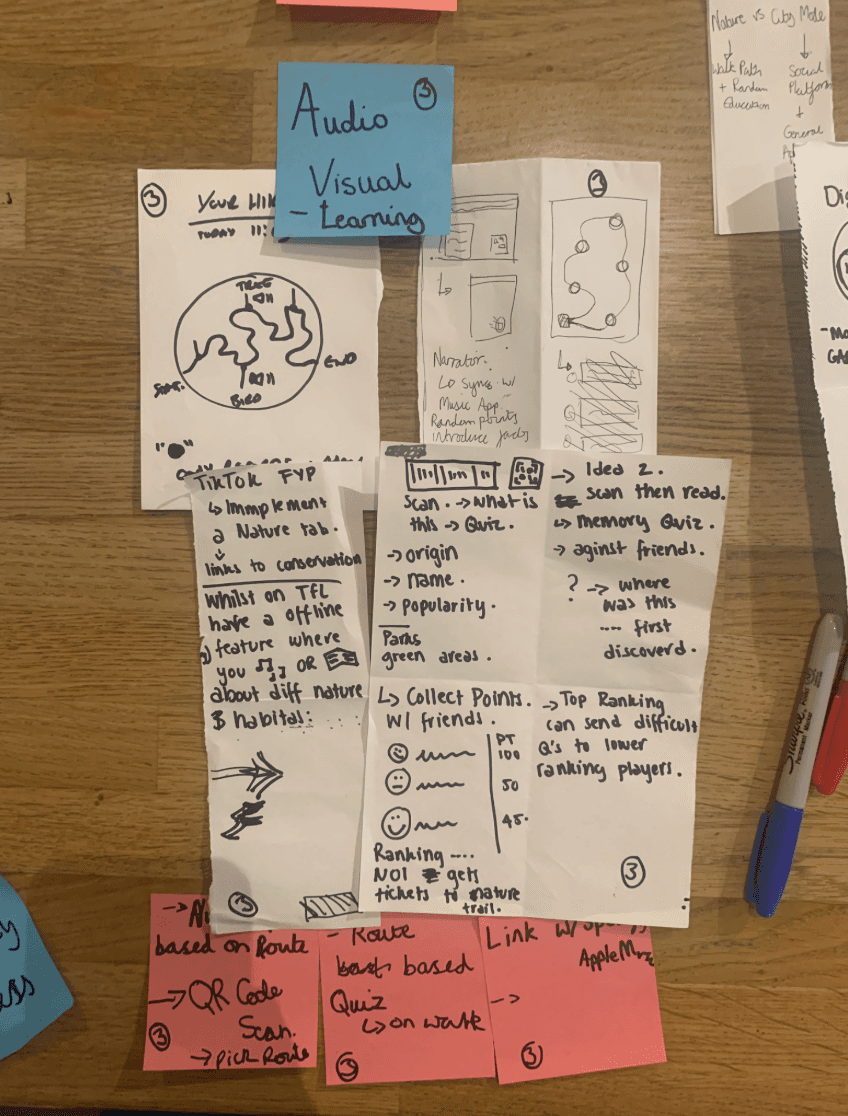
Exploring the insights through sketching and group discussion; 3 main key concepts materialised. This was essential to create a concept which would fit a wide range of users irrespective of race, gender and economic background.
Points Based Feedback
Utilising gamification in order to promote repeated acts of conservation and healthy habits.
Responsive Visual Feedback
Visual reactivity when users complete tasks. Building a real sense of understanding on how their work is effecting their community.
Audio Visual Learning
Education through both visual content and audio learning platforms from personalised walking routes to user generated content.
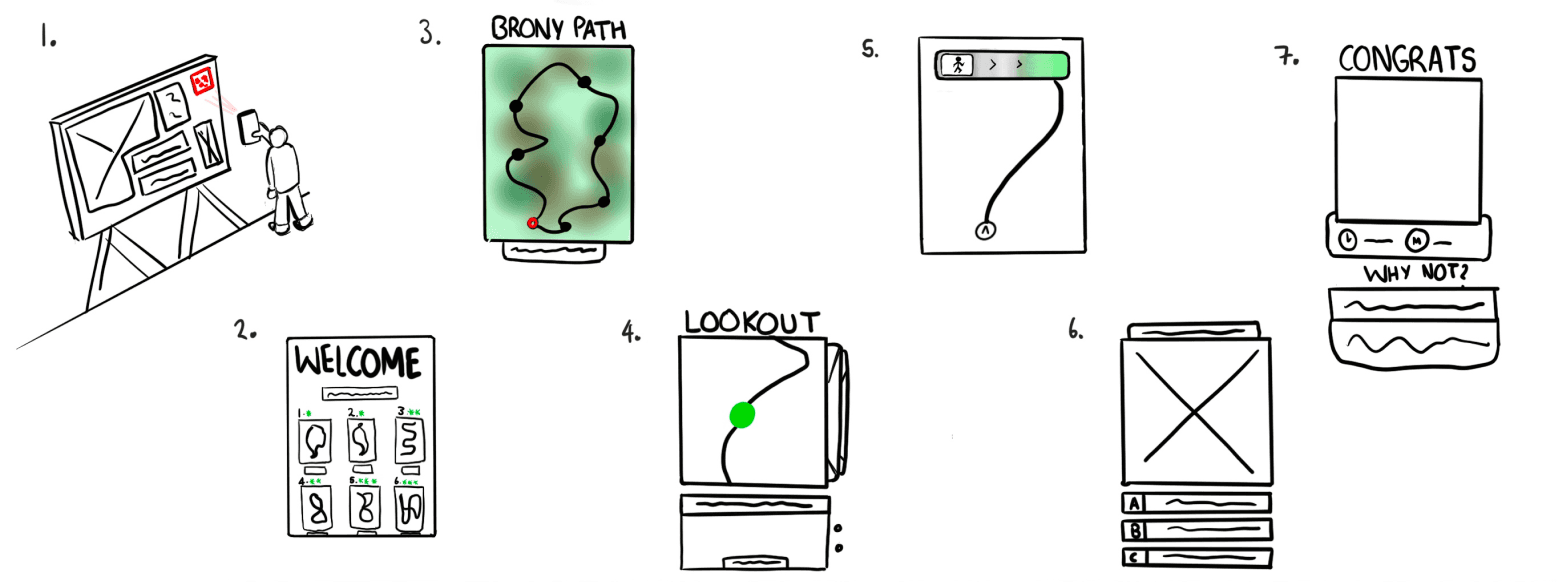
Exploring
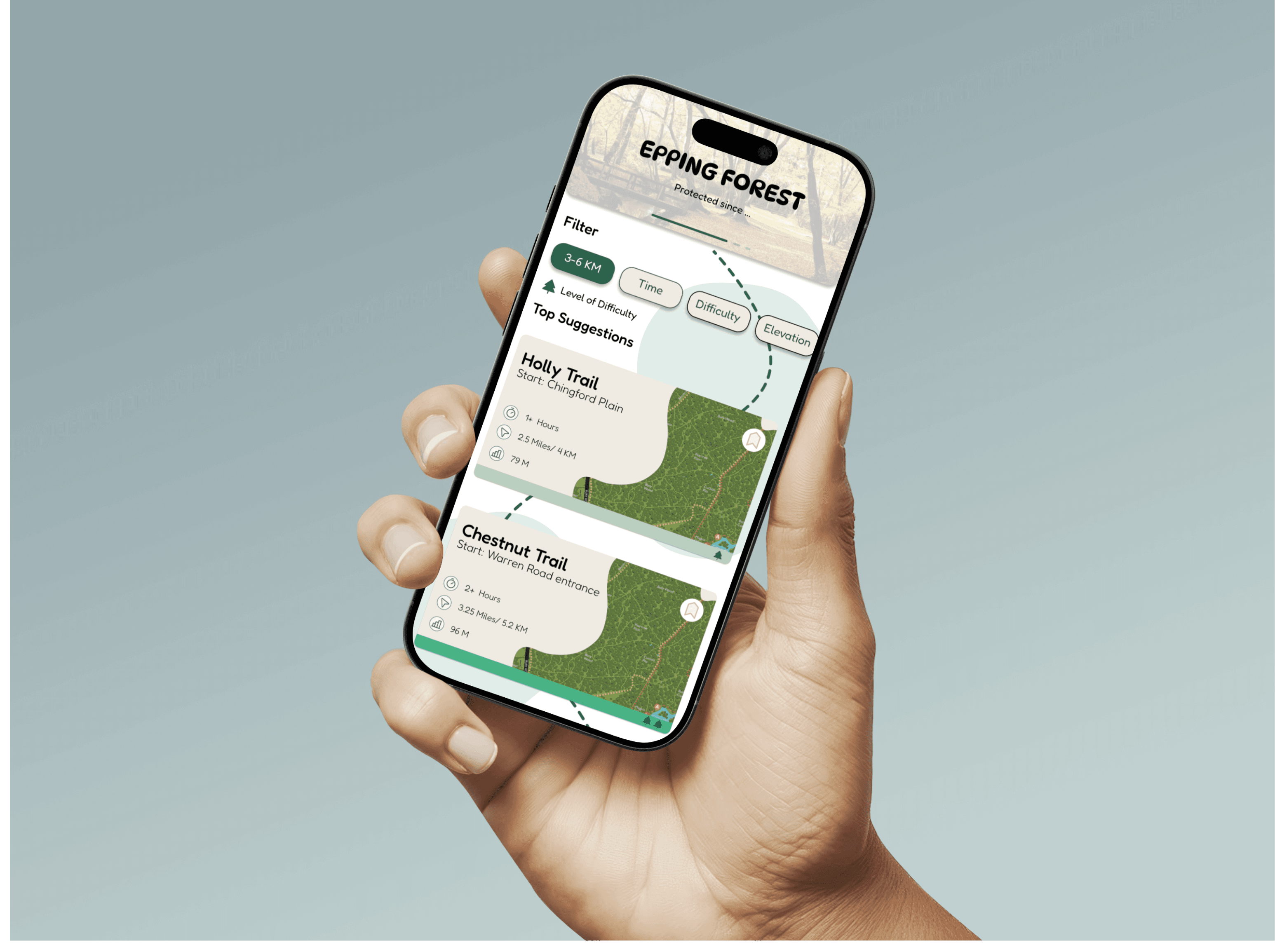
Helping people discover local green spaces and walking routes, encouraging them to connect with nature in simple, accessible ways.
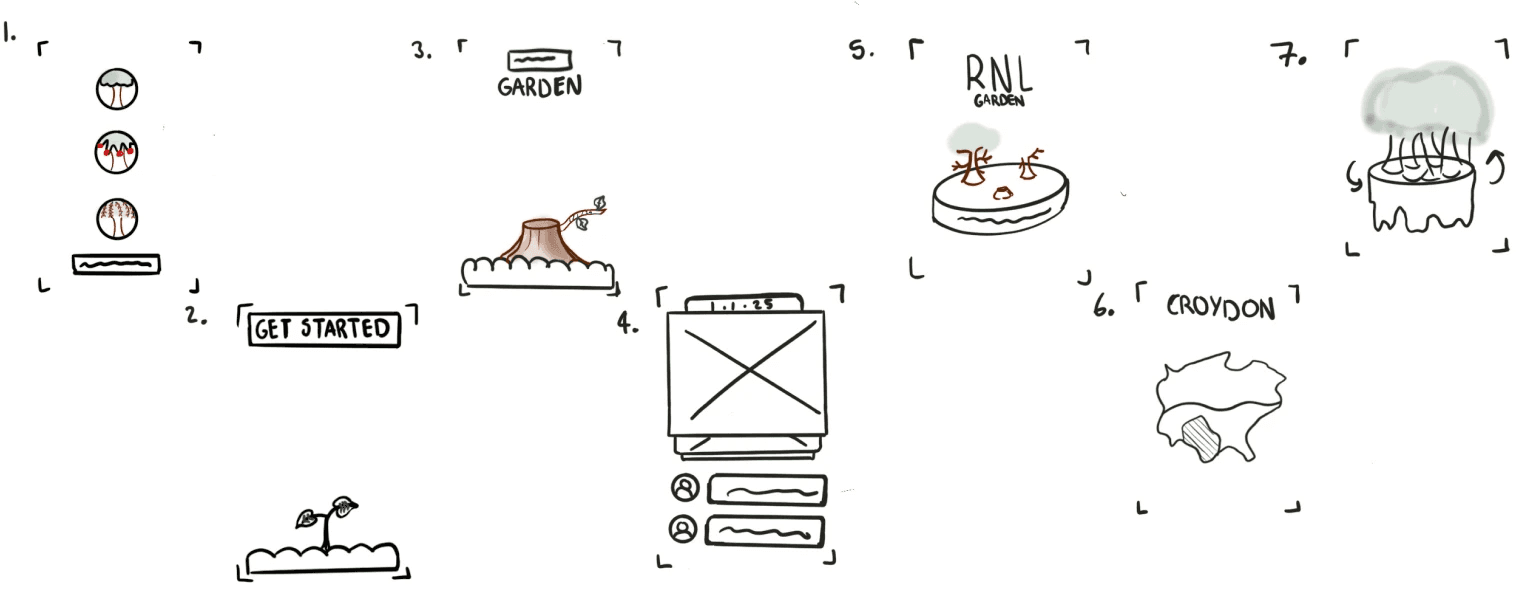
Community
Social and Fun gamification promotes regular use, sharing progress and collectively visibility of positive impact.
Early Ideation
Initial Concept
The original concept saw the app have 2 very distinct features with the ‘Exploration’ hoping to drive users into nature and their local habitats. While a 'Community' focused feature pushes users to understand the impact their positive work is impacting the environment around them.
This particular concept felt like 2 completely different apps, with both solutions being viable. Iterating on this initial concept through journey mapping allowed me to identify the key features which could be used to create a complete service.

User Journey Mapping
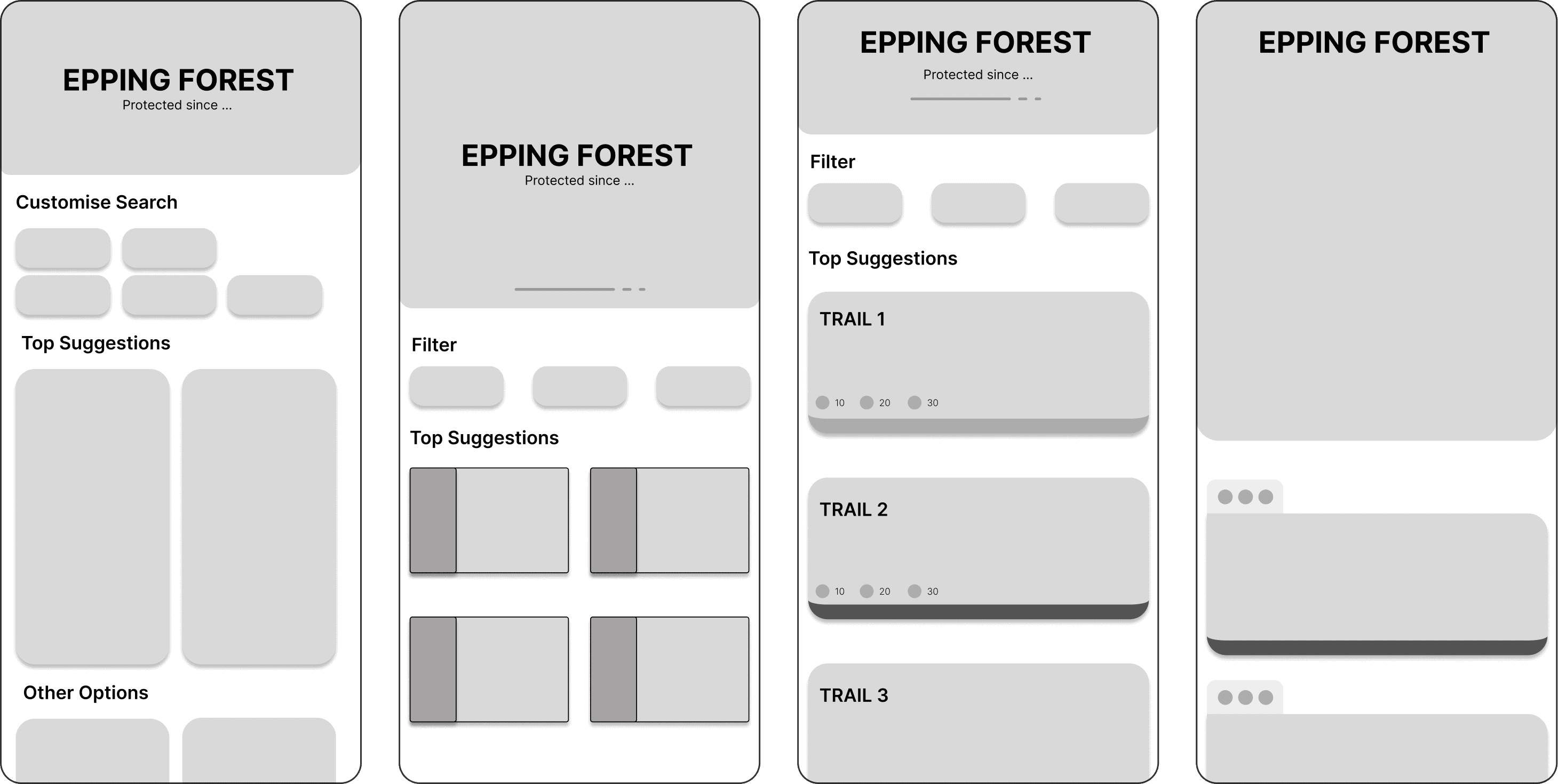
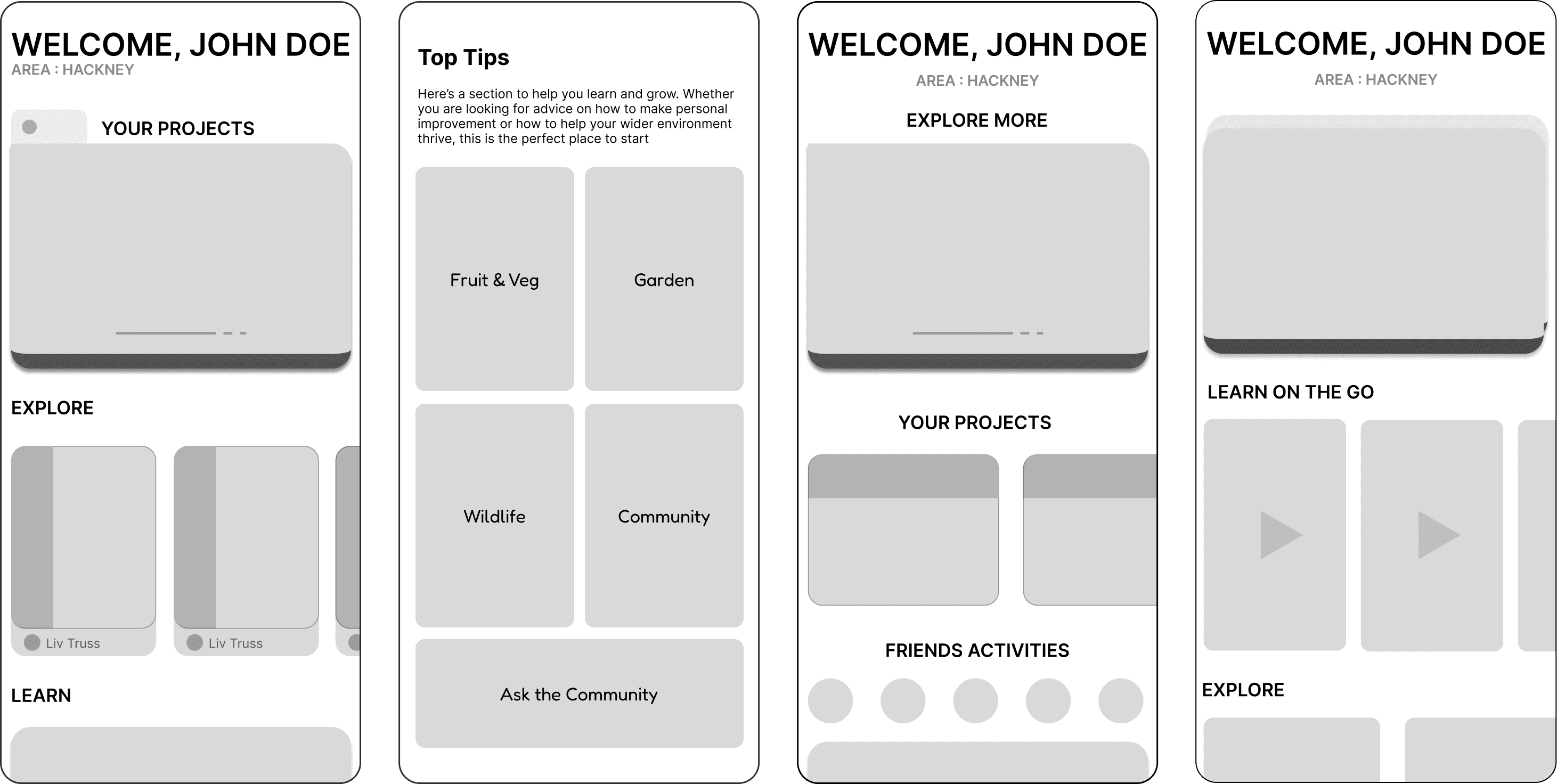
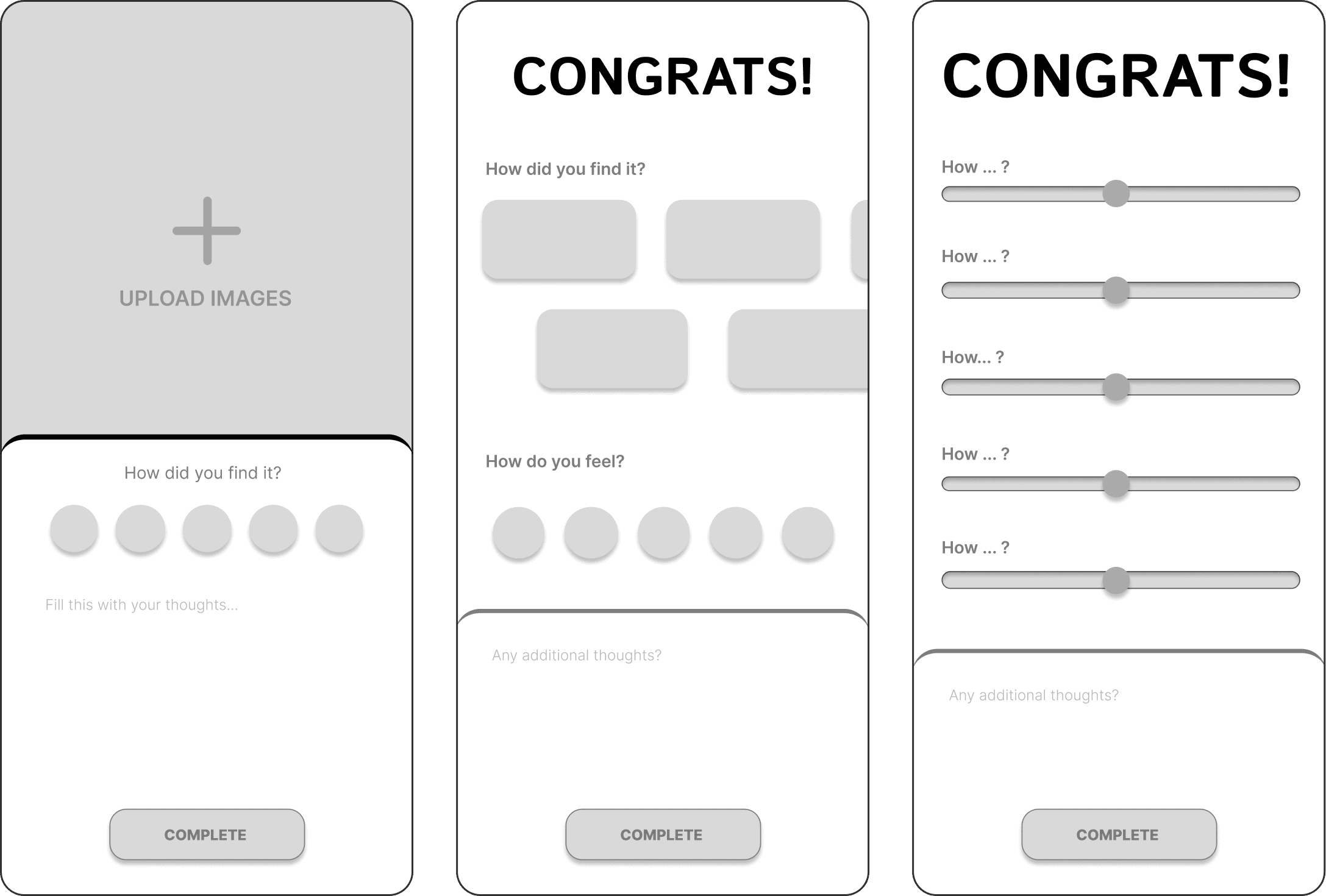
Community Exploration
Community Exploration
Activity Log Book
Activity Log Book
Route Finding
Route Finding
Mid-Fidelity Prototyping
Usability Testing
Providing an insight into how the app satisfies the users needs. Focusing on key features and the ease of use without instructions. It highlighted key areas to improve the user experience to form a product which will adhere to the most users as possible. The participants were not briefed on the primary functions, just the context of the task they would need to complete.
Design Implications
Male 23, London
"I think it would be good to just have accessibility things quickly. Like for this hill a wheelchair or something along those lines. That's always something I look for, because I can't walk up too much elevation without my hip hurting"
Male 22, London
"I feel like it's kind of a journal thing where everything's there that you've done so you can just look backwards or maybe things that you've booked that is coming up"
Female 37, Kent
"I see its very easy to navigate. I feel like it's not difficult as with other app that I use"
Accessibility Changes
Providing additional options to allow ease of access for first time users and beginners. Ensuring we create a service which is available for all.
Clarity
Exploring the iconography of the buttons to ensure clarity. Contrast of key buttons to create clear instructions on user flow.
Development of Profile
Adding levels of progression within the profile section in order to provide progression into acts of service. Being able to save routes, pins and journals.
Design Implications

Mood Board
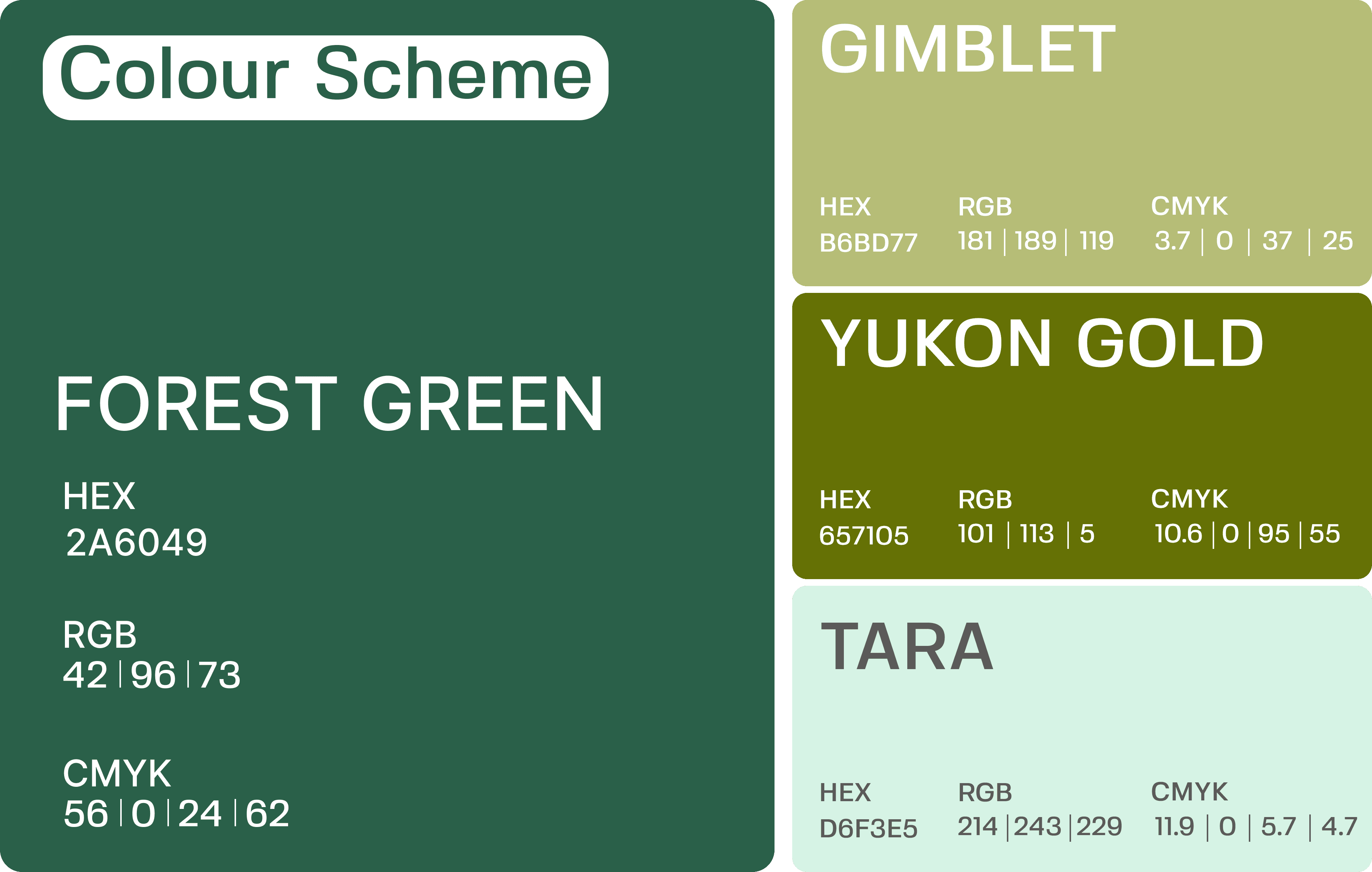
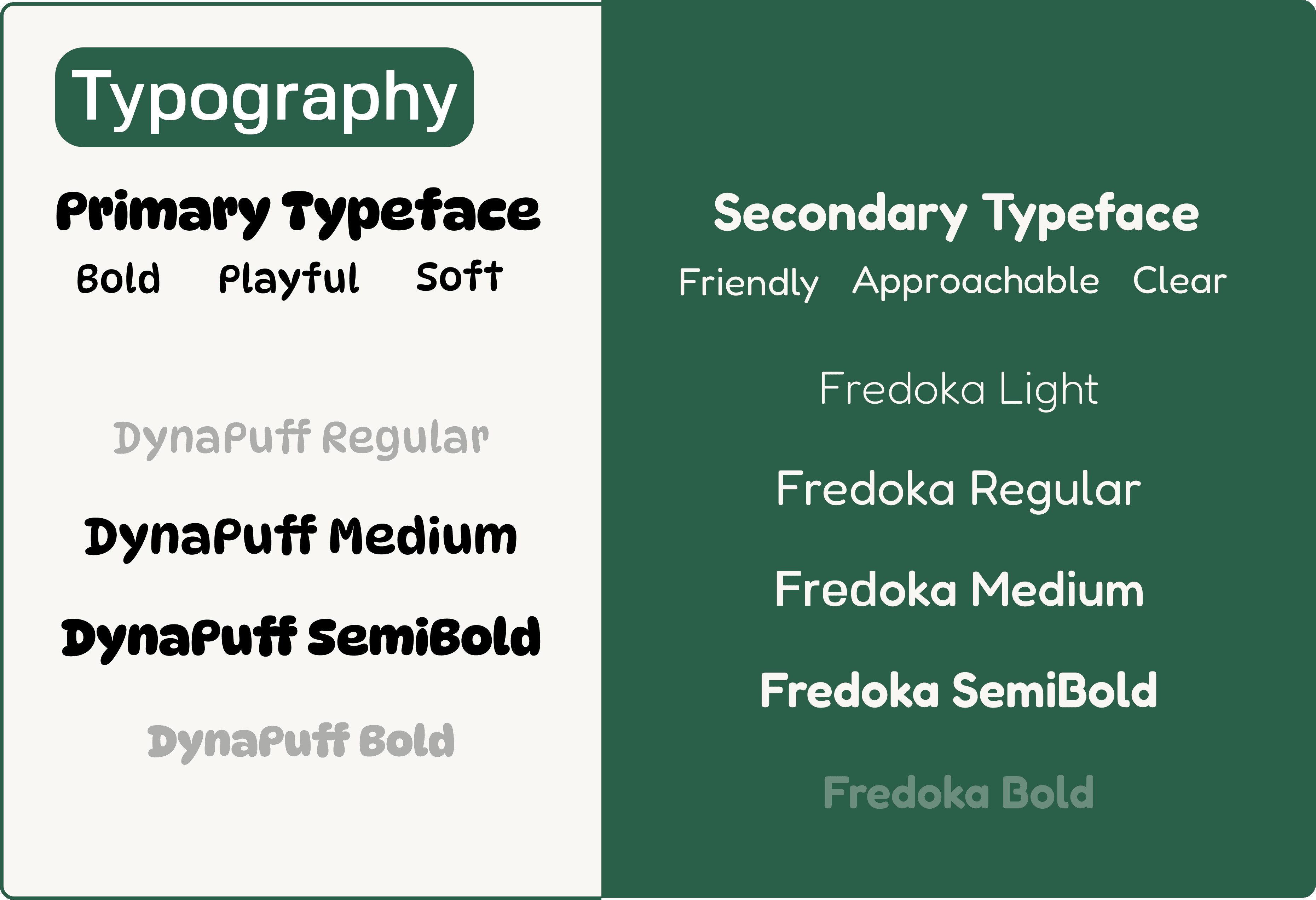
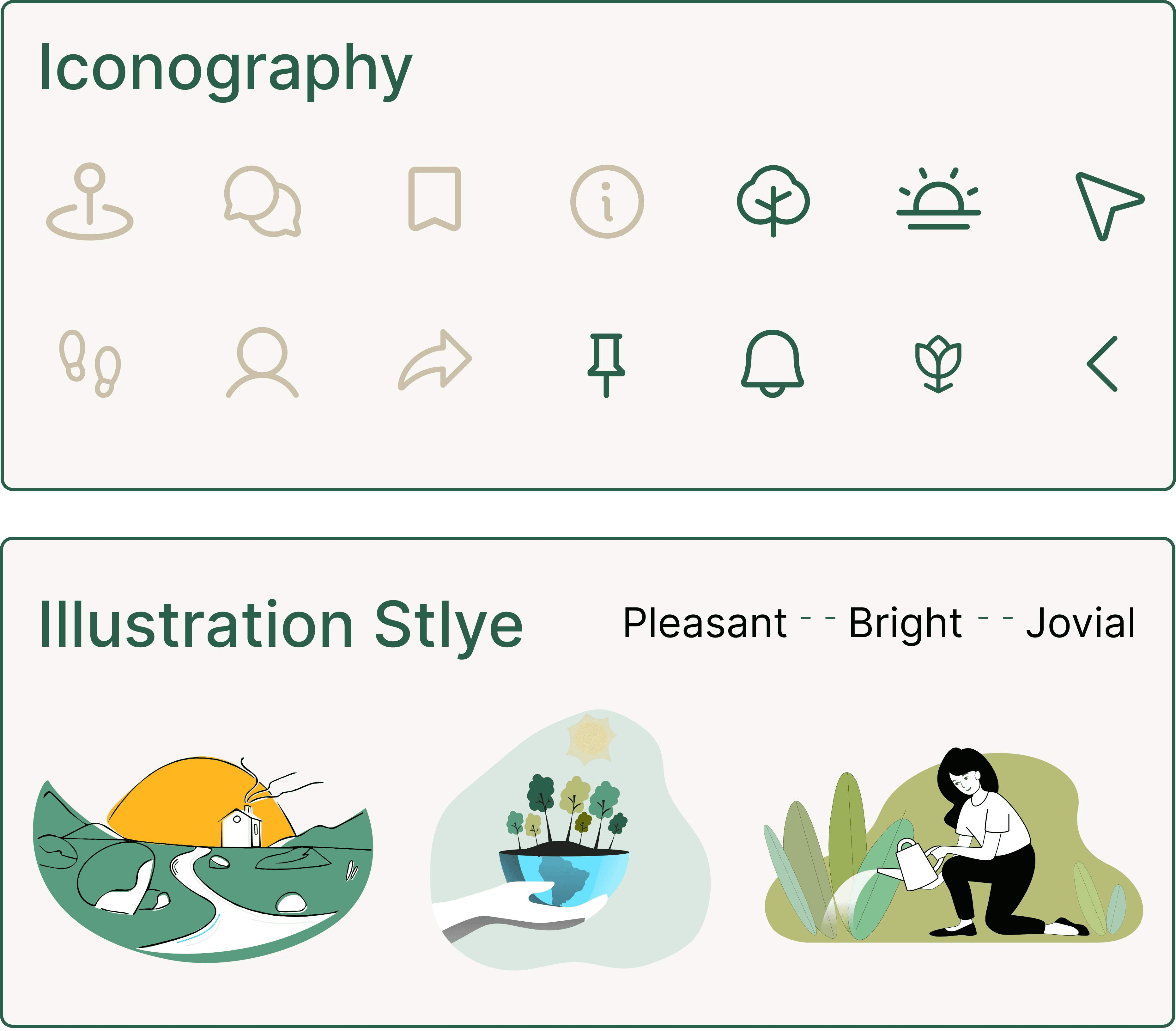
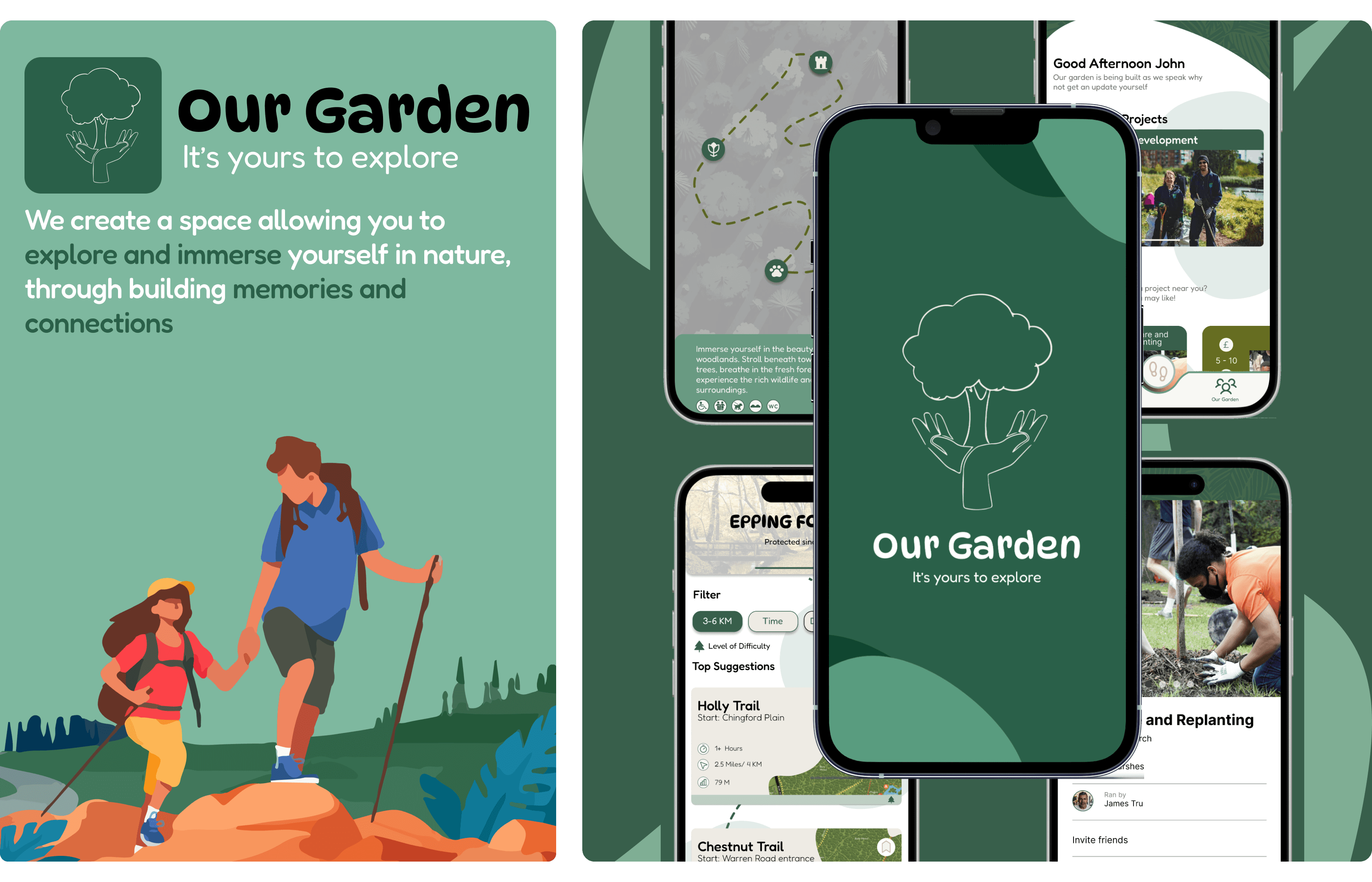
Brand Identity
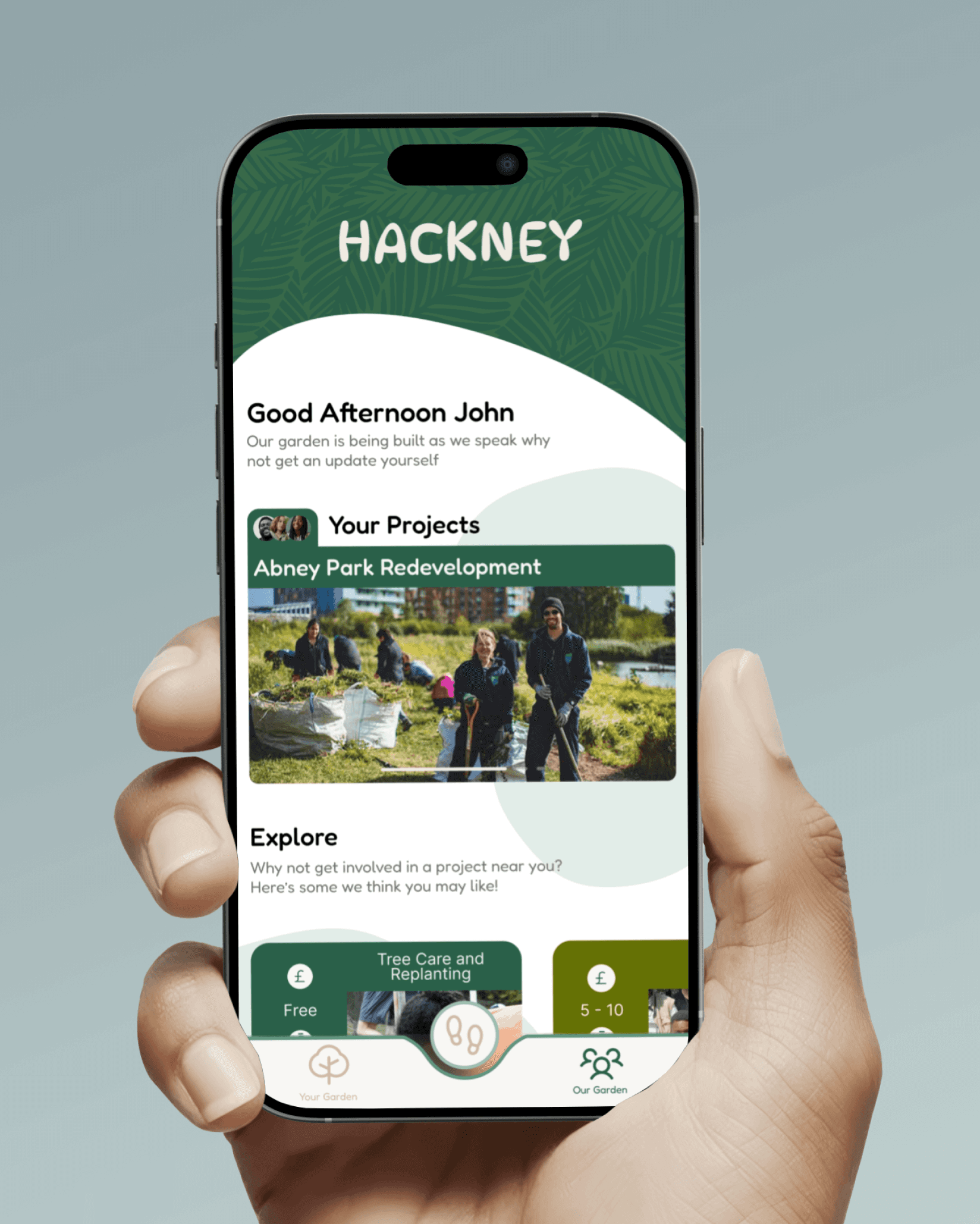
Your Projects
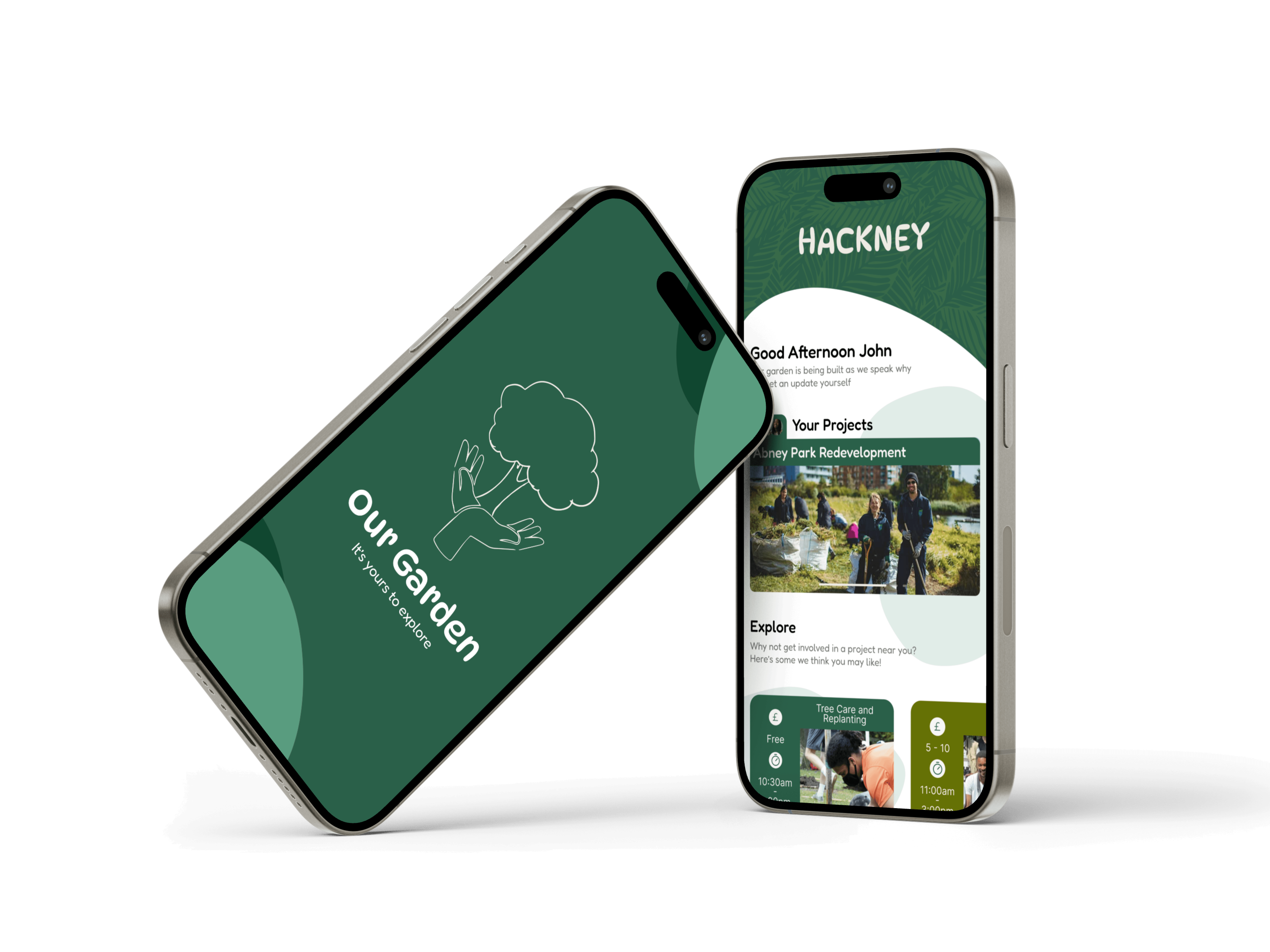
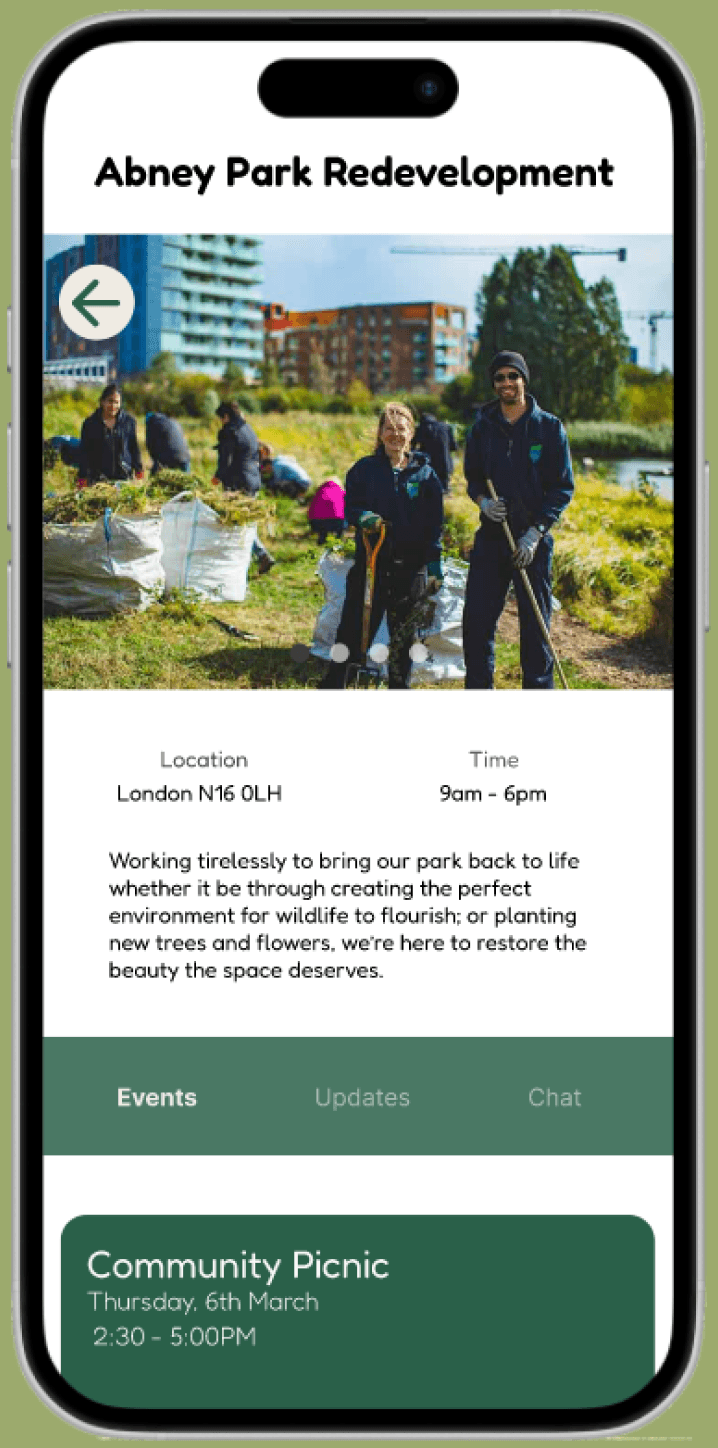
A portal to the community: featuring events, updates, and live chat. Aiding users to feel more connected to the conservation efforts they complete.
Exploring Events
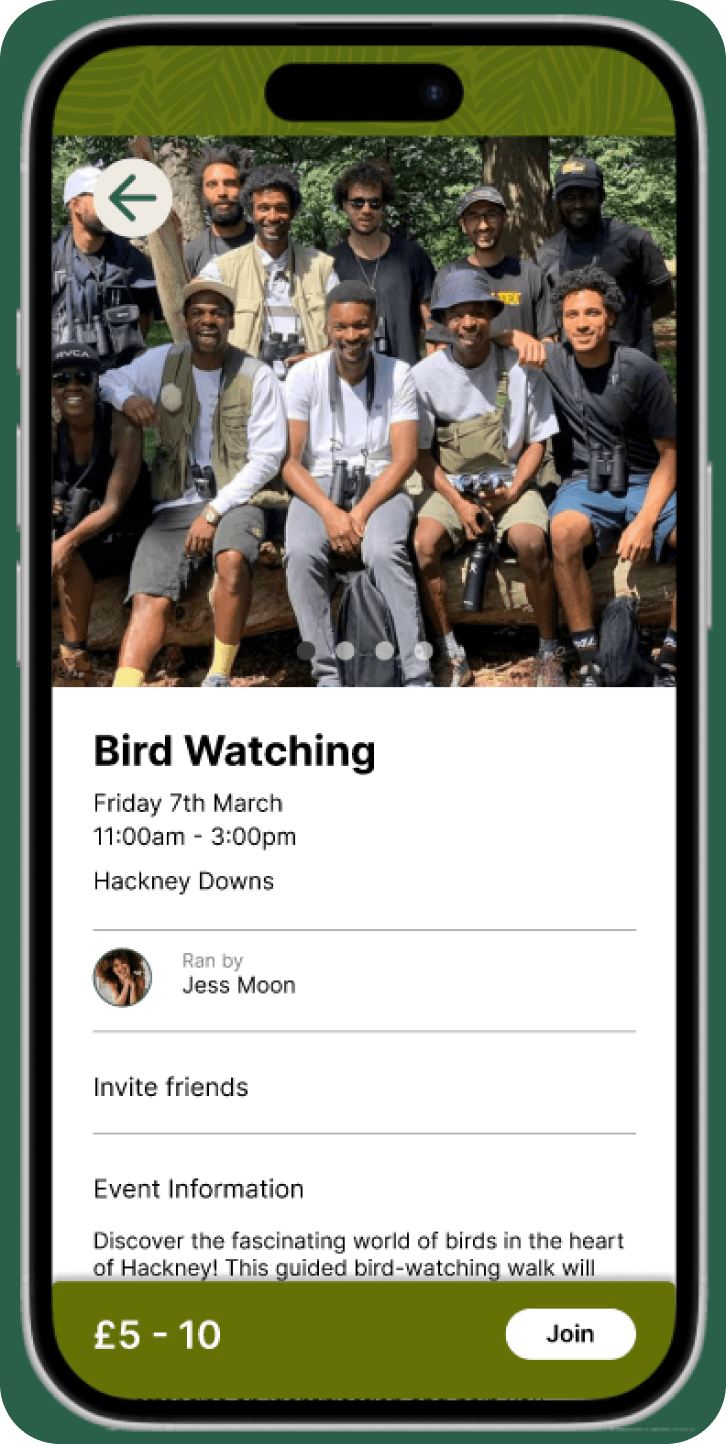
A space to join activities in natural habitats, from conservation acts to bird watching while learning about nature and building community.
Your Projects
A portal to the community: featuring events, updates, and live chat. Aiding users to feel more connected to the conservation efforts they complete.
Exploring Events
A space to join activities in natural habitats, from conservation acts to bird watching while learning about nature and building community.
Clearing Head-Space
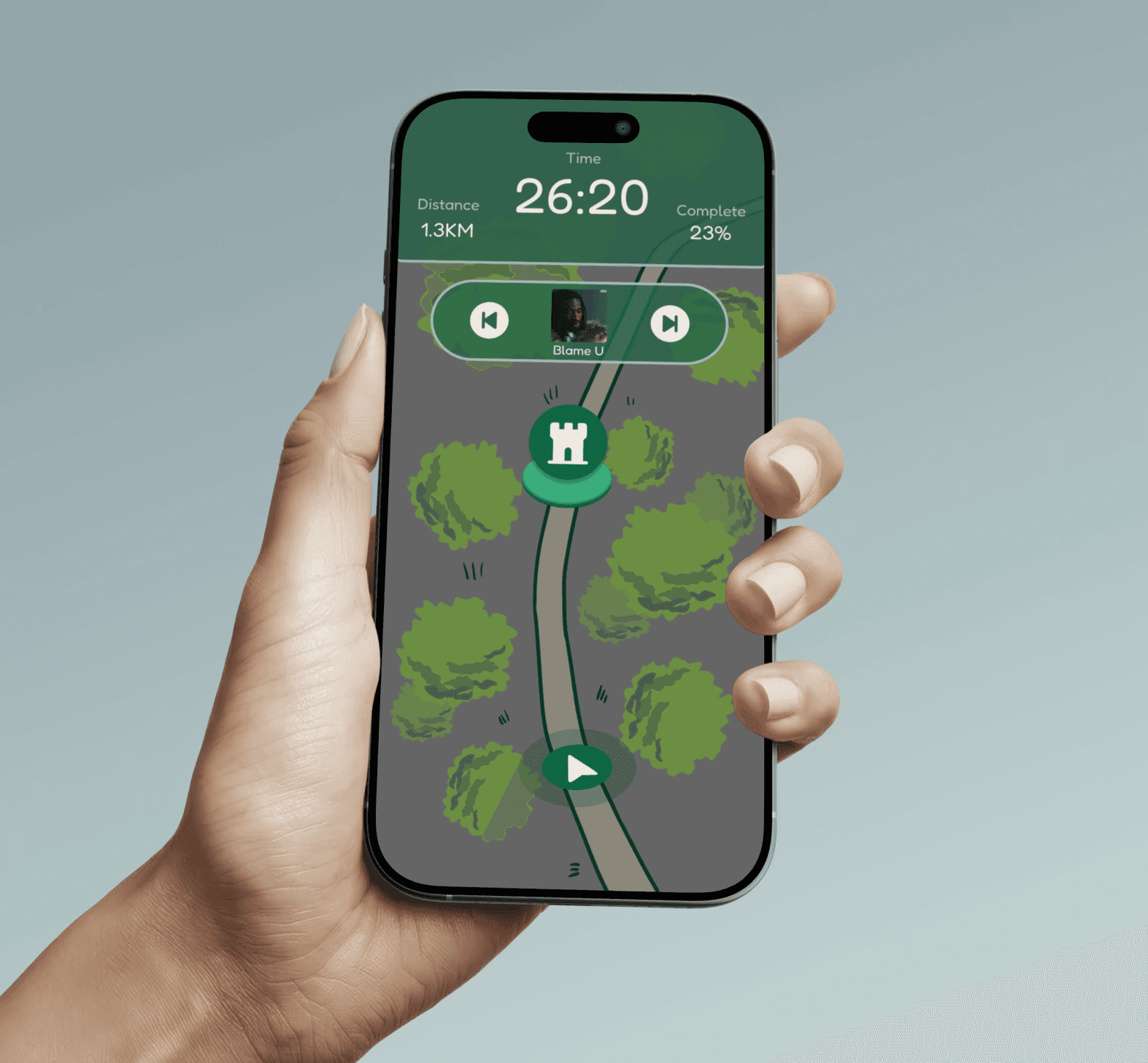
Once route is chosen, the app locks the users phone allowing the route to be seen and the control of music. Removing distractions and encouraging the user to be fully immersed on their walk.
Learning Opportunites
In-Situe learning provides the user to take greater note of their surroundings while providing them with knowledge about the environment. These learning opportunities pop up as the user follows their trail.
Reflection
This project was focused around boosting education and the uptake of conservation. The app focuses on immersion allowing deeper connection with nature, consequently boosting interest in natural spaces.
Aiding users into completing acts of conservation was the biggest challenge. I believe with further development creating a progressive task system much like Duolingo could provide more incentive.
Next Steps
Refine key steps along walking path to promote in-situ learning while also upholding immersion.
Expanding the range of opportunities to learn through content such as blogs, videos and posting.
Focus on maximising the positive effects of journaling and reflecting on experiences in nature.
Explore More
Explore More


Our Garden
It's yours to explore
We create a space allowing you to explore and immerse yourself in nature, through building memories and connections
Mobile App
Nature + Leisure
Solo Project
10 Weeks
Who are they?
The Woodland Trust is the UK's largest woodland conservation charity, dedicated to protecting and restoring woods and trees. They work to secure a future for the UK's native woodlands.
Brief
How can the Woodland Trust engage younger generations in preserving natural habitats in the UK?
Who's the target?
For this project, I classified younger generations as Gen Z (1995 -2012) and Gen Alpha (2012 - Current) They are the generation who will make the biggest impact in the future.
Problem Overview
With rising pressure of global warming there is more need to look after our natural habitats than ever. However there are many barriers to action. Whether that be geographical, economical or education. The worlds most conscientious generation are finding it hard to really get in touch with nature.
88%
of young people (18-24) in the UK reported feeling lonely to some degree
<50%
of the British population do not have access to a park within walking distance
53%
decline in UK woodland wildlife species since 1970
Research
Focusing on understanding the intricacies of the problem. I started the process with Secondary Research which provided a foundation focused around: motivations, locational behavioural factors, education and current solutions. This in turn highlighted 3 key insights which formed the basis for primary research: Access, Education and Disconnection
Access
Access to green spaces, especially woodlands is limited to location and socio-economic factors which reduces the incentive to look after these spaces.
Education
Education focused around British spaces are often taught at the beginning of their life. This disconnect in education further into adult life causes a disinterest in the nature.
Disconnect
A disconnect between green spaces and the ecosystems which reside in them. Leading to a lack of responsibility over the spaces being affected.
Secondary Research
User Insights
Exploring the problem through interviews and focus sessions; I synthesised the results in order to create a range of 'How Might We' statements. These provided evidence based problem areas to tackle and formed a foundation in which my design was to be built on.
Time Management
How might we aid people to create time to explore and experience their local habitats
“I probably go on a walk in nature once a week maximum. I'd like it to be more, but my, schedule doesn't really fit into that.”
3rd Spaces
How might we merge existing hobbies to include a focus on nature/ natural habitats
“Flower pressing or something like that, you know, that kind of way. So like a group ... I think it could even bring people in that aren't necessarily interested in nature”
Personal Accountability
How might we provide clear and visual feedback on the users actions
“It's like your health, If you've got a health problem, you've only got 1 problem in your life.”
Immersion
How might we educate those in natural habitats without decreasing from the experience
“If I go on a walk, I try not to get my phone out, because then I feel like I'm not enjoying it, and I have done that. I've gone on walks and I may have just been on my phone”
User Interviews Discussion Guide
Concept Mapping
Exploring the insights through sketching and group discussion; 3 main key concepts materialised. This was essential to create a concept which would fit a wide range of users irrespective of race, gender and economic background.
Points Based Feedback
Utilising gamification in order to promote repeated acts of conservation and healthy habits.
Responsive Visual Feedback
Visual reactivity when users complete tasks. Building a real sense of understanding on how their work is effecting their community.
Audio Visual Learning
Education through both visual content and audio learning platforms from personalised walking routes to user generated content.
Exploring
Helping people discover local green spaces and walking routes, encouraging them to connect with nature in simple, accessible ways.
Community
Social and Fun gamification promotes regular use, sharing progress and collectively visibility of positive impact.
Early Ideation
User Journey Mapping
Route Finding
Community Exploration
Activity Log Book
Mid-Fidelity Prototyping
Usability Testing
Providing an insight into how the app satisfies the users needs. Focusing on key features and the ease of use without instructions. It highlighted key areas to improve the user experience to form a product which will adhere to the most users as possible. The participants were not briefed on the primary functions, just the context of the task they would need to complete.
Male 23, London
"I think it would be good to just have accessibility things quickly. Like for this hill a wheelchair or something along those lines. That's always something I look for, because I can't walk up too much elevation without my hip hurting"
Male 22, London
"I feel like it's kind of a journal thing where everything's there that you've done so you can just look backwards or maybe things that you've booked that is coming up"
Female 37, Kent
"I see its very easy to navigate. I feel like it's not difficult as with other app that I use"
Design Implications
Accessibility Changes
Providing additional options to allow ease of access for first time users and beginners. Ensuring we create a service which is available for all.
Clarity
Exploring the iconography of the buttons to ensure clarity. Contrast of key buttons to create clear instructions on user flow.
Development of Profile
Adding levels of progression within the profile section in order to provide progression into acts of service. Being able to save routes, pins and journals.
Mood Board
Brand Identity
Your Projects
A portal to the community: featuring events, updates, and live chat. Aiding users to feel more connected to the conservation efforts they complete.
Exploring Events
A space to join activities in natural habitats, from conservation acts to bird watching while learning about nature and building community.
Clearing Head-Space
Once route is chosen, the app locks the users phone allowing the route to be seen and the control of music. Removing distractions and encouraging the user to be fully immersed on their walk.
Learning Opportunites
In-Situe learning provides the user to take greater note of their surroundings while providing them with knowledge about the environment. These learning opportunities pop up as the user follows their trail.
Reflection
This project was focused around boosting education and the uptake of conservation. The app focuses on immersion allowing deeper connection with nature, consequently boosting interest in natural spaces.
Aiding users into completing acts of conservation was the biggest challenge. I believe with further development creating a progressive task system much like Duolingo could provide more incentive.
Next Steps
Refine key steps along walking path to promote in-situ learning while also upholding immersion.
Expanding the range of opportunities to learn through content such as blogs, videos and posting.
Focus on maximising the positive effects of journaling and reflecting on experiences in nature.
Who are they?
The Woodland Trust is the UK's largest woodland conservation charity, dedicated to protecting and restoring woods and trees. They work to secure a future for the UK's native woodlands.
Who's the target?
For this project, I classified younger generations as Gen Z (1995 -2012) and Gen Alpha (2012 - Current) They are the generation who will make the biggest impact in the future.
Brief
How can the Woodland Trust engage younger generations in preserving natural habitats in the UK?
Research
Focusing on understanding the intricacies of the problem. I started the process with Secondary Research which provided a foundation focused around: motivations, locational behavioural factors, education and current solutions. This in turn highlighted 3 key insights which formed the basis for primary research: Access, Education and Disconnection
Access
Access to green spaces, especially woodlands is limited to location and socio-economic factors which reduces the incentive to look after these spaces.
Education
Education focused around British spaces are often taught at the beginning of their life. This disconnect in education further into adult life causes a disinterest in the nature.
Disconnect
A disconnect between green spaces and the ecosystems which reside in them. Leading to a lack of responsibility over the spaces being affected.
User Interviews Discussion Guide
Concept Mapping
Exploring the insights through sketching and group discussion; 3 main key concepts materialised. This was essential to create a concept which would fit a wide range of users irrespective of race, gender and economic background.
Points Based Feedback
Utilising gamification in order to promote repeated acts of conservation and healthy habits.
Responsive Visual Feedback
Visual reactivity when users complete tasks. Building a real sense of understanding on how their work is effecting their community.
Audio Visual Learning
Education through both visual content and audio learning platforms from personalised walking routes to user generated content.
Early Ideation
User Journey Mapping
Usability Testing
Providing an insight into how the app satisfies the users needs. Focusing on key features and the ease of use without instructions. It highlighted key areas to improve the user experience to form a product which will adhere to the most users as possible. The participants were not briefed on the primary functions, just the context of the task they would need to complete.
Design Implications
Male 23, London
"I think it would be good to just have accessibility things quickly. Like for this hill a wheelchair or something along those lines. That's always something I look for, because I can't walk up too much elevation without my hip hurting"
Male 22, London
"I feel like it's kind of a journal thing where everything's there that you've done so you can just look backwards or maybe things that you've booked that is coming up"
Female 37, Kent
"I see its very easy to navigate. I feel like it's not difficult as with other app that I use"
Accessibility Changes
Providing additional options to allow ease of access for first time users and beginners. Ensuring we create a service which is available for all.
Clarity
Exploring the iconography of the buttons to ensure clarity. Contrast of key buttons to create clear instructions on user flow.
Development of Profile
Adding levels of progression within the profile section in order to provide progression into acts of service. Being able to save routes, pins and journals.
Your Projects
A portal to the community: featuring events, updates, and live chat. Aiding users to feel more connected to the conservation efforts they complete.
Exploring Events
A space to join activities in natural habitats, from conservation acts to bird watching while learning about nature and building community.
Clearing Head-Space
Once route is chosen, the app locks the users phone allowing the route to be seen and the control of music. Removing distractions and encouraging the user to be fully immersed on their walk.
Learning Opportunites
In-Situe learning provides the user to take greater note of their surroundings while providing them with knowledge about the environment. These learning opportunities pop up as the user follows their trail.
Reflection
This project was focused around boosting education and the uptake of conservation. The app focuses on immersion allowing deeper connection with nature, consequently boosting interest in natural spaces.
Aiding users into completing acts of conservation was the biggest challenge. I believe with further development creating a progressive task system much like Duolingo could provide more incentive.
Explore More
Initial Concept
The original concept saw the app have 2 very distinct features with the ‘Exploration’ hoping to drive users into nature and their local habitats. While a 'Community' focused feature pushes users to understand the impact their positive work is impacting the environment around them.
This particular concept felt like 2 completely different apps, with both solutions being viable. Iterating on this initial concept through journey mapping allowed me to identify the key features which could be used to create a complete service.
Initial Concept
The original concept saw the app have 2 very distinct features with the ‘Exploration’ hoping to drive users into nature and their local habitats. While a 'Community' focused feature pushes users to understand the impact their positive work is impacting the environment around them.
This particular concept felt like 2 completely different apps, with both solutions being viable. Iterating on this initial concept through journey mapping allowed me to identify the key features which could be used to create a complete service.